-

The Death of Third Spaces?
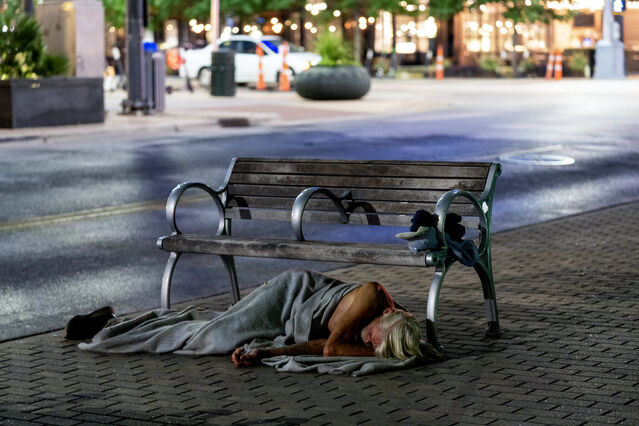
Sociologist Ray Oldenburg described “third spaces” as places outside of home and work where people gather socially and build community. Traditionally, cafés, parks, libraries, pubs, and public squares acted as informal environments where people could interact naturally and feel connected to others. I find it interesting is the contradiction that modern cities are…
2–3 minutesRead more: The Death of Third Spaces? -
The Algorithmic
Artificial intelligence is rapidly changing creative industries, including architecture. Is AI simply a tool for designers or is it beginning to challenge human creativity itself? AI is increasingly being used within architecture through generative design systems capable of producing layouts, structures, and visualisations within seconds. This has the potential to improve efficiency, and it allows architects to rapidly explore…
2–3 minutesRead more: The Algorithmic -
Through the Lens
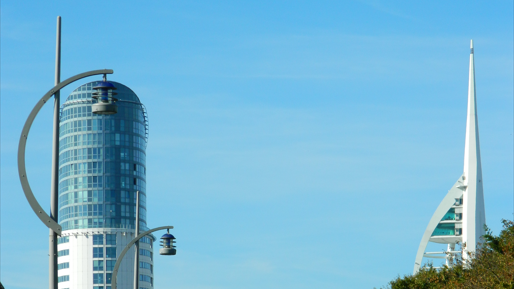
Photography has changed the way I experience architecture. Instead of simply looking at buildings, I often pay attention to the use of framing, lighting, symmetry, and perspective, almost making architecture a work of art in itself. Such principles as the golden ratio and balance play out quite often in either field.…
3–5 minutesRead more: Through the Lens -
Monumentality, Order, and Fascism
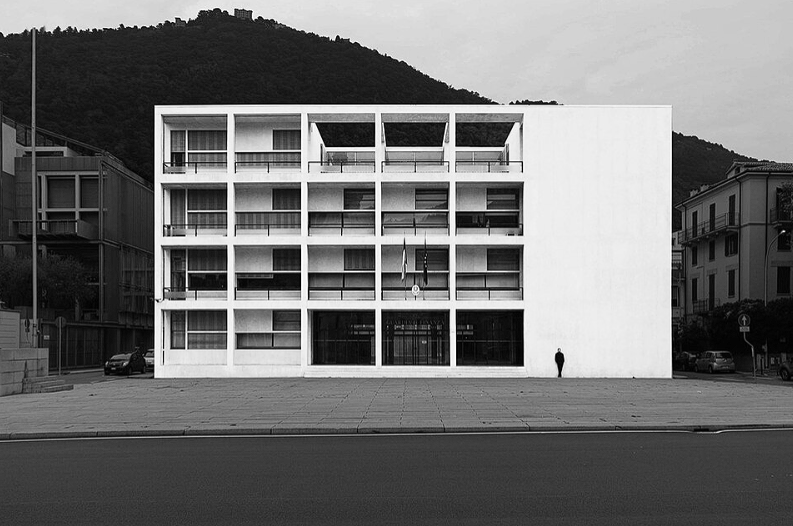
Architecture is often used as a political tool, but few ideologies utilised monumentality and spatial order as deliberately as Fascism in Italy. Upon his rise to power in 1922, Benito Mussolini incorporated architecture as part of Fascist politics and Italian nationalism. Both architecture and urban planning were used not only as tools…
3–5 minutesRead more: Monumentality, Order, and Fascism -
Can Humans Architect Beyond Earth?
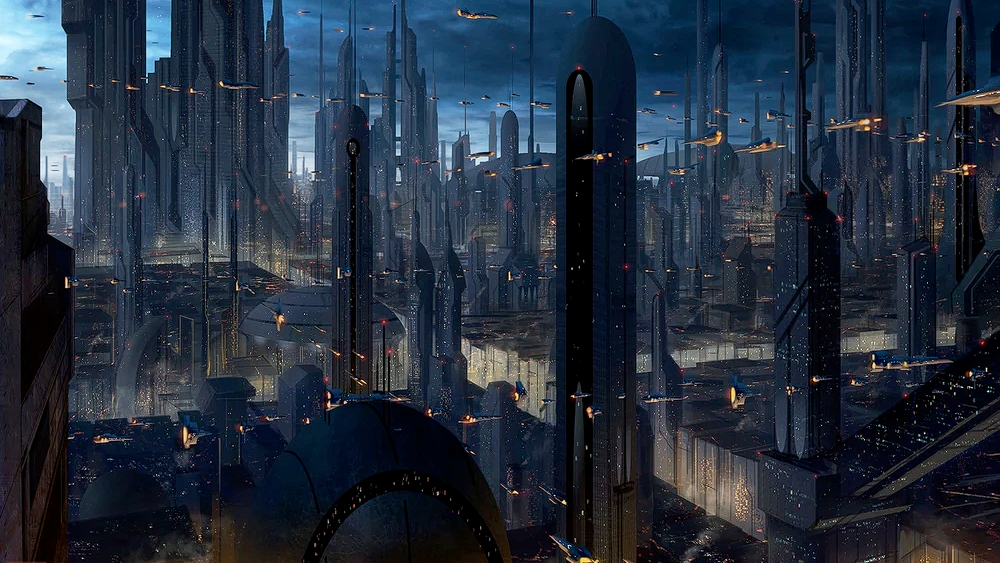
Space architecture fascinates me because it completely changes the priorities of design. On Earth, we prioritise aesthetics, function, and culture but in space this would have to be quite different as it becomes more about survival. As discussions regarding colonising Mars start to rise, with Elon Musk’s SpaceX program, architects are being forced to think about…
3–5 minutesRead more: Can Humans Architect Beyond Earth? -
Performative Architecture
Being performative is something I have noticed more frequently within contemporary culture, especially on social media. The idea of being “performative” means to act in a way that is intended to create an impression for others, and it usually prioritises appearance over genuine experience. Whether it’s online or in person, it can sometimes feel artificial and it’s almost as if…
2–3 minutesRead more: Performative Architecture -
Can Architecture Respond to Climate Change?
As global warming becomes an increasingly urgent global issue, architecture is being forced to confront its environmental impact. One problem revolves around the significant role that structures play in generating carbon emissions. This is attributed to the material used for construction, energy usage, and urbanisation processes, hence posing serious concerns…
3–4 minutesRead more: Can Architecture Respond to Climate Change? -
The Renaissance: Humanism and Perspective
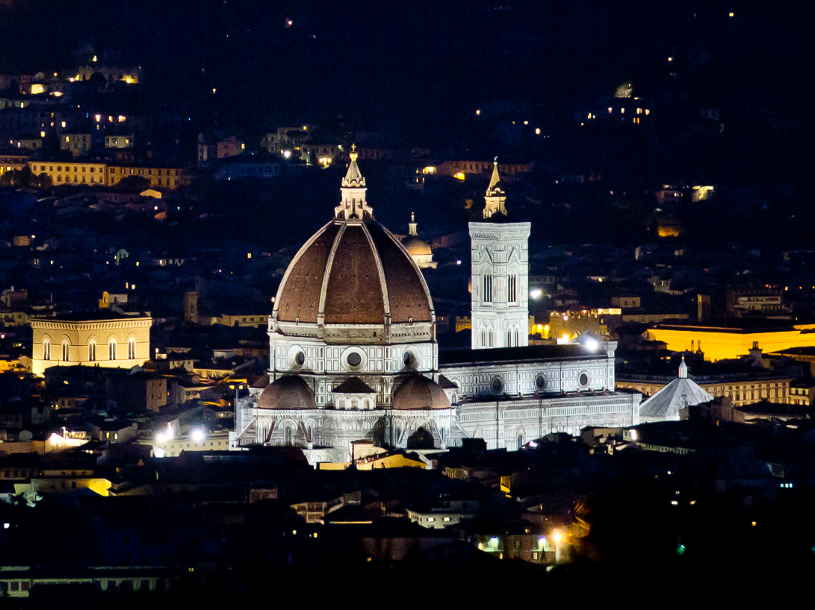
The Renaissance marked a significant shift in architectural thinking because it placed human experience and proportion at the centre of design. The movement which originated in Florence, Italy in the late 14th century, is often described as a period of European cultural, artistic, political, and scientific “rebirth” following the Middle…
2–3 minutesRead more: The Renaissance: Humanism and Perspective
form in focus bLOG



Recent Posts
-
The Death of Third Spaces?
2–3 minutes -
The Algorithmic
2–3 minutes -
Through the Lens
3–5 minutes