Being performative is something I have noticed more frequently within contemporary culture, especially on social media. The idea of being “performative” means to act in a way that is intended to create an impression for others, and it usually prioritises appearance over genuine experience.
Whether it’s online or in person, it can sometimes feel artificial and it’s almost as if people are heavily disconnected from genuine self expression. It’s quite upsetting to see that people are scared to be themselves these days due to the fear of being judged. Social media has been the major catalyst for this change, as it makes people create and share the perfect version of themselves and everything else, they have done with the sole purpose of gaining validation and recognition.
Most things these days are done for views or publicity, and this is quite prevalent in architecture. Aesthetics are prioritised over human experience, and people now are more likely to visit a spot because it looks aesthetically pleasing online rather than because of the quality.
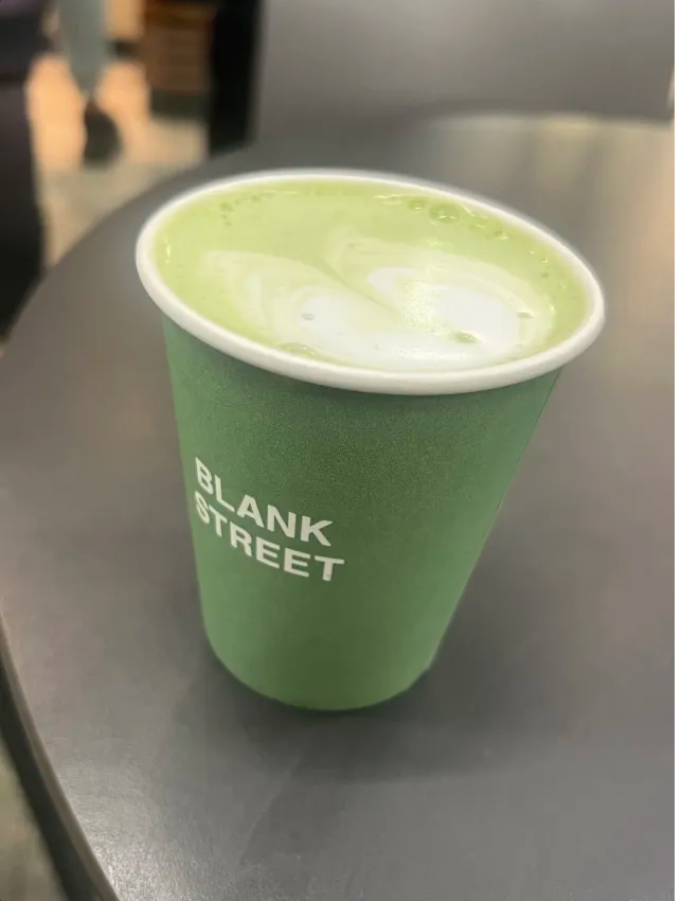
Fig 1. Picture of my white chocolate matcha
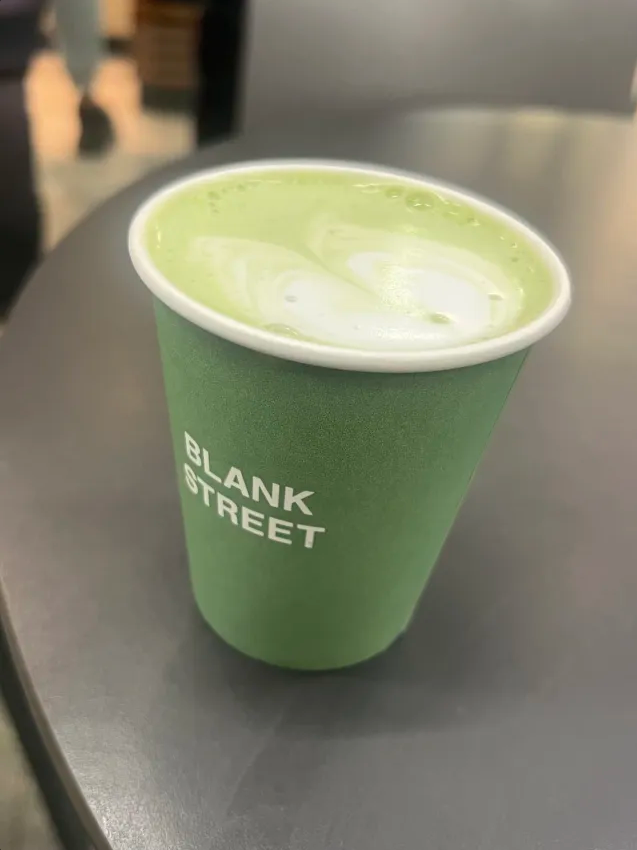
I began thinking about this during my first time trying matcha at Blank Street Coffee. In my case the drink was actually lovely, and I enjoyed it, but in my opinion, it is quite overhyped because it just tastes like tea. Matcha itself has become highly associated with online aesthetics and trends, where, in some cases, the image and lifestyle surrounding the drink seem more important than whether people enjoy it.
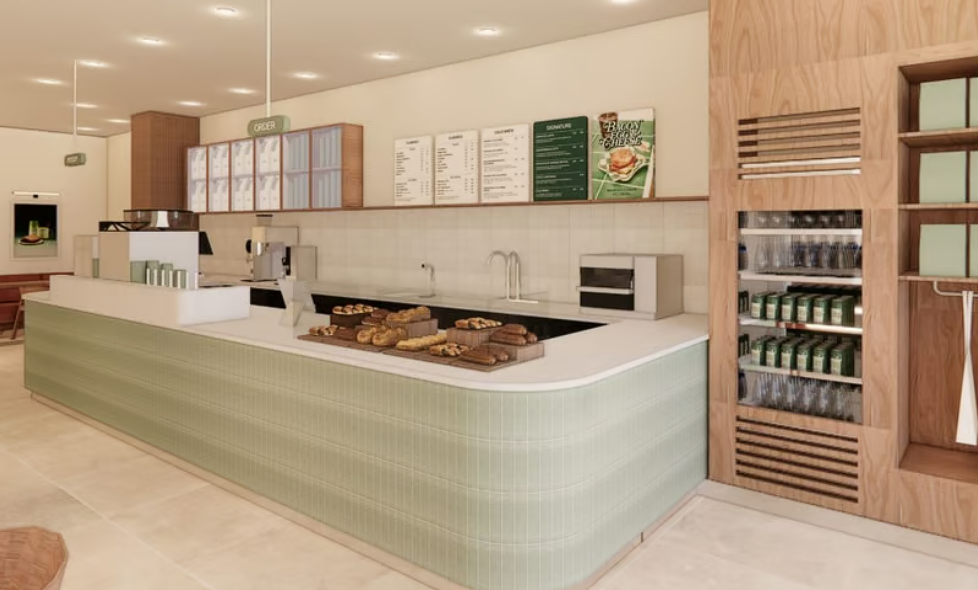
Fig 2. Proposed rendering of Blank Street in Glasgow
Although I enjoyed the drink, what interested me most was the interior of the café itself. The soft lighting, muted colour palette, curved furniture, and minimal detailing all contributed to an almost “performative” atmosphere. It felt very carefully curated for “instagrammable” moments. In this sense, the architecture and interior design became part of the product itself rather than simply a backdrop.
This idea can also be linked to broader architectural movements such as Postmodernism, which rejected the strict functionalism of Modernism. Architects such as Robert Venturi argued against the Modernist belief of ‘form follows function’ and instead suggested that architecture should communicate visually and culturally. Venturi was heavily influenced by Pop Art and the high visual environment of Las Vegas and his studies explored how certain components can shape experiences. In many ways contemporary architecture feels similar. This is due to buildings being designed to attract enough attention to circulate social media platforms as publicity.
What I find interesting is that in this day and age, architecture seems to be enjoyed a lot through screens before its experienced in person. However, social media does also have positive aspects. This is because social media allows architecture to become more widely accessible and visible to people who may never physically be able to experience these spaces themselves. As architecture becomes increasingly shaped by digital culture, I wonder whether spaces in the future will be designed for visibility and online performance or for comfort.
References:
- Ching, F. D. K., Jarzombek, M. M., & Prakash, V. (2017). A global history of architecture. John Wiley & Sons, Incorporated.
Figures:
- Figure 1. My own picture
- Figure 2. Smillie, L. (2024, December 4). First Look: Viral New York coffee shop to open in Glasgow City Centre under new plans [Photograph]. Glasgow World. https://www.glasgowworld.com/lifestyle/food-and-drink/viral-american-coffee-shop-set-to-open-in-glasgow-city-centre-under-new-plans-4895775?page=2
Leave a Reply