Emily Di Costanzo (UP2509166)
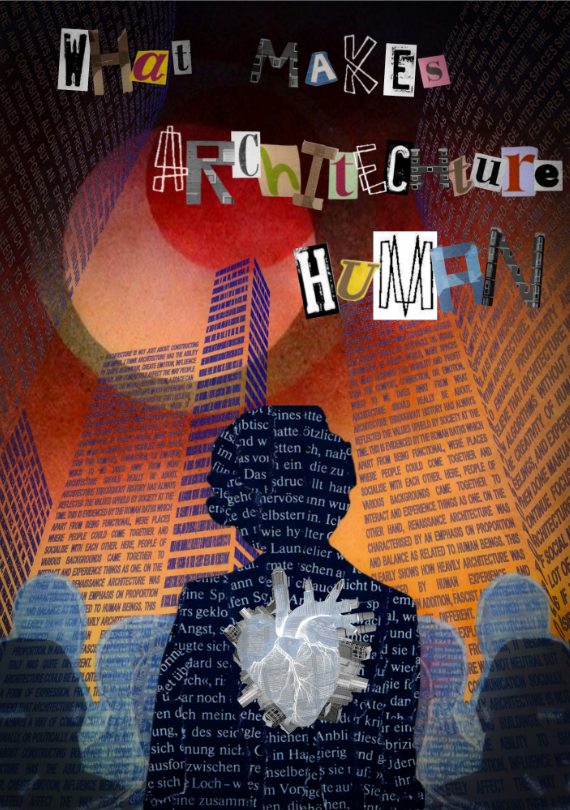
Architecture is not just about constructing buildings. I think architecture has the ability to shape behaviour, create emotion, influence memory, and completely affect the way people experience the world around them. A space can entirely change a person’s mood depending on how it is designed, and because of this I believe architecture becomes meaningful when it responds to genuine human experience rather than existing purely as spectacle or visual consumption. In today’s world, many spaces feel more designed for visibility and profit than for comfort, connection, or emotion, which to me takes away from what architecture should really be about.
Architecture throughout history has always reflected the values upheld by society at the time. This is evidenced by the Roman baths which apart from being functional, were places where people could come together and socialise with each other. Here, people of various backgrounds came together to interact and experience things as one. On the other hand, Renaissance architecture was characterised by an emphasis on proportion and balance as related to human beings. This clearly shows how heavily architecture was influenced by human experience and proportion. In addition, fascist architecture in Italy was quite different. It showed how architecture could be exploited politically as a form of expression. From this, it became evident that architecture was not neutral but was always a way of communication socially, culturally, or politically.
Today architecture faces completely different challenges because of social media, artificial intelligence, and commercialisation. A lot of contemporary spaces now feel performative, almost as if they are designed more for photographs and online visibility than for actual human experience. Spaces such as cafes and retail establishments are staged for social media and the architecture becomes content, rather than place. At the same time, hostile architecture and the disappearance of third spaces show how some urban environments discourage interaction and exclude vulnerable people from public life. Features such as anti-homeless spikes or divided benches make public spaces feel less welcoming. I believe architecture should encourage comfort, accessibility, and community rather than isolation, especially towards people who already have nowhere else to go.
AI is now increasingly influencing creative industries, even within architecture. While AI-based designs have the potential to enhance productivity and experimentation, I strongly believe that architecture will never be able to go full circle on algorithms without compromising its emotional aspects. The creativity of humans is influenced by memories, moods, feelings, and experiences, elements that can only be captured when done manually. I believe it is important for architects to continue focusing on their clients’ needs and desires.
Photography has transformed my perception of architecture in ways I could not have previously imagined. It has enabled me to think about things like framing, lighting, texture, atmosphere, and composition. Allowing me to see architecture as not just as a structure, but an experience. Through photography I’ve learned how powerful architecture is in evoking feeling and shaping perspectives on the world. I have also found photography to be a creative activity which I can really relate to in a personal way, which I now feel is very important in designing.
Architecture needs to be much more than simply something to look at. It must be lived through, remembered, experienced, and even emotionally felt by those around it. With our current age being so dominated by technology, digital culture, spectacle, and automation, I believe architecture must continue prioritising genuine human connection above everything else.