Space architecture fascinates me because it completely changes the priorities of design. On Earth, we prioritise aesthetics, function, and culture but in space this would have to be quite different as it becomes more about survival. As discussions regarding colonising Mars start to rise, with Elon Musk’s SpaceX program, architects are being forced to think about how humans might live beyond Earth. Building a self-reliant colony on Mars will need around one million people in addition to transferring millions of tons of freight to Mars. According to Elon Musk’s long term vision for SpaceX, he believes that this can be done by ensuring that there are up to ten launches per day approximately every two years. Thousands of starships would be used for such a task.
Though the atmosphere of Mars is quite thin it still contains traces of gases you would find on Earth. To fix this, an idea was proposed by SpaceX to compress the atmosphere to allow for growth of vegetation, which would increase the oxygen concentration. The length of a day of Mars is also quite similar to the Earth as it only takes 24 hours and 37 minutes. Mars also has two moons, Phobos and Deimos, which could potentially influence tidal patterns if stable bodies of water were ever formed on the planet. This would be quite interesting though as each of the moons would have their own gravitational pulls.
It’s quite interesting how closely architecture and engineering merge within space habitats. Every design decision must be very carefully thought out to make sure all the factors are taken into consideration, whilst also working with very limited resources. This makes architecture far more performance based compared to architecture on Earth, where aesthetics can sometimes dominate design. Space architecture forces function and survival to become inseparable forces.
Now on the topic of forces, after watching the Mandalorian series, I became really interested in the architectural feats in the Star Wars universe. I really love how science fiction has already imagined futuristic environments and cities and how they have been doing so for decades. As I researched three planets really stood out to me and these were Naboo (Theed), Coruscant, and Cato Neimoidia.
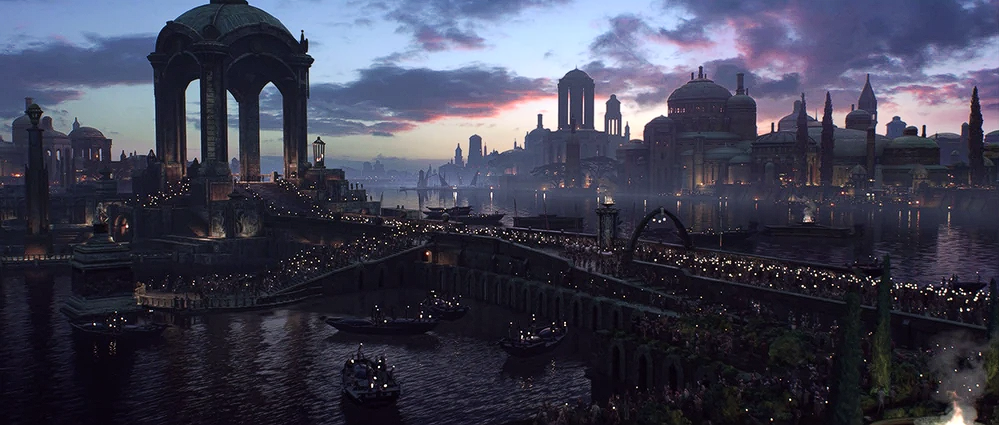
Fig 1. Star Wars: Episode III Revenge of the Sith picture of Naboo
Naboo interested me because of its elegant and classical architecture, especially within the city of Theed. Massive arches, domes, and ornate balconies strongly resemble Renaissance and Italian architectural styles, this is very evident looking at photos of the beautiful planet. Structures such as the Royal Palace demonstrate how science fiction quite often draws heavily from historical architectural movements to communicate political identity and cultural values.
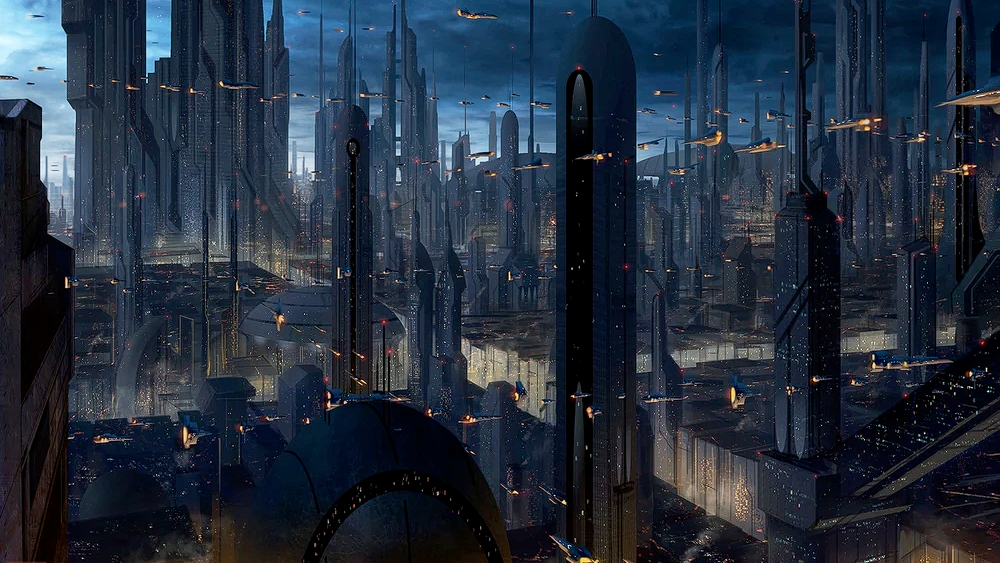
Fig 2. Star Wars: Edge of the Empire Core Rulebook picture of Coruscant
Coruscant presents a completely different architectural vision. The planet functions as a single continuous city, often described as an ecumenopolis. This represents the extreme future of urban expansion. Towering skyscrapers inspired by the Art Deco architecture movement dominate the skyline. On the other hand, the lower levels become increasingly industrial and disconnected from natural light, this could be an indication of the difference between societal classes and how the rich get to experience the skylines. I really like how Coruscant reflects both the ambition and dangers of hyper urbanisation.
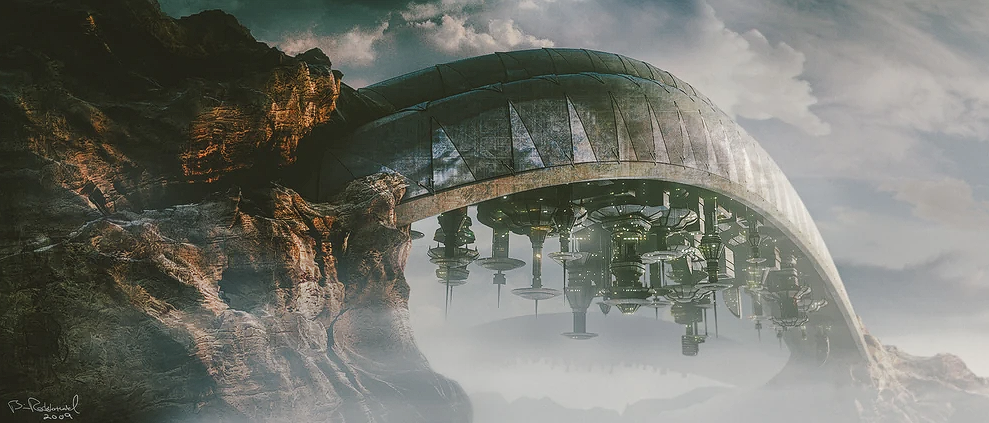
Fig 3. Brian Recktenwald render of Cato Neimoidia
Lastly, Cato Neimoidia fascinated me because of its unusual bridge cities suspended across enormous canyons. This to me is unheard of as the inverted skyscrapers hanging beneath the bridges create an unfamiliar relationship between gravity. This really demonstrates how speculative architecture can challenge traditional ideas of urban form and spatial organisation.
As nice as this all sounds, the reality of space exploration also raises some serious environmental concerns. At the moment, increasing amounts of satellites, debris, and technological waste is now accumulating in Earth’s orbit and this is creating a form of pollution beyond the planet itself. Some people even speculate that Earth could eventually develop rings made entirely from space debris. I believe that before we even think of colonising any other planet we must think about repairing the environmental damage already caused on Earth.
References:
- SpaceX. (n.d.). Mars & Beyond. https://www.spacex.com/humanspaceflight/mars
- NASA. (n.d.). Mars Facts-. https://science.nasa.gov/mars/facts/
- Ali, S. (2021, November 23). Scientist predicts Earth will develop rings like Saturn. The Hill. https://thehill.com/changing-america/resilience/smart-cities/582777-scientist-predicts-earth-will-develop-rings-like/
Figures:
- Figure 1. Wookieepedia. (n.d.). Naboo [Image].
https://starwars.fandom.com/wiki/Naboo - Figure 2. Wookieepedia. (n.d.). Coruscant [Image].
https://starwars.fandom.com/wiki/Coruscant/Legends - Figure 3. Wookieepedia. (n.d.). Cato Neimoidia [Image].
https://starwars.fandom.com/wiki/Cato_Neimoidia/Legends
Leave a Reply